Broiler Management Practices
Broiler production is like formula 1 race, there is no time for mistake.
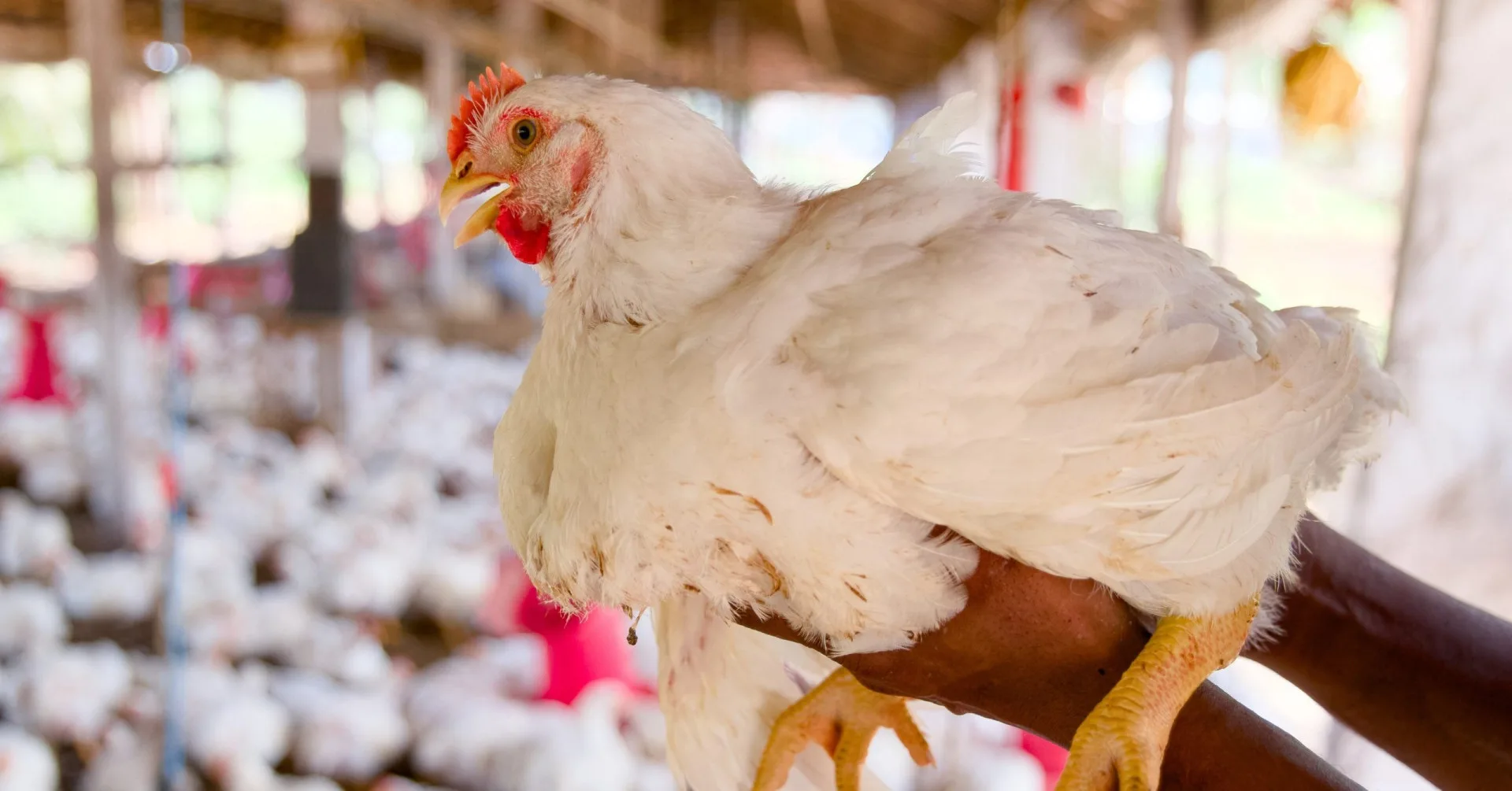
Before Placing the chicks
- Clean and disinfect cages or floor of the brooding area. Clean
- the building interior, attached service areas and equipment.
- Paint walls with white wash.
- Check water system. Adjust to proper height for the chicks to
- reach. Disinfect and flush the water lines.
- Allow at least 14 days to rest the cages or fowl runs
- Check to make sure equipment is working properly and is
- adjusted to the correct height. The correct number and type of
- equipment needs to be determined for each incoming batch of
- chicks. Any shortfalls will be detrimental to the chicks.
- Remove all the old feed from bins, hoppers and troughs.
- Disinfect and allow them to dry before new feed comes.
- Place rat/mouse poison where it will not be consumed by chicks
- Place fresh and disinfected litter or bedding material of 7 – 10 cm
- depth on the floor. Cotton hulls, wood-shavings or chopped dry
- grass are recommended.
A day before chick arrival
- Set the heating system at 32 – 33 °C at chick level
- Assess chick quality at placing. Chicks should be active, have
- no deformities, should stand on their own, have healed navels,
- should be dry and should vocalise contentedly. If chick quality is
- lower than desired, the grower should alert the chick supplier.
- Place the chicks quickly and quietly. As the chicks are placed,
- trigger water cups or nipples to encourage drinking. In some
- situations such as small-scale production units, drinking troughs
- will be used instead of water cups or nipples. It will be necessary
- under such situations to ensure that chicks are able to drink as
- soon as they arrive.
- Add a water-soluble stresspack of minerals and vitamins for the
- first 4 to 5 days to give your chicks a boost
- Feed must cover 80% of the ground. Conduct crop test at 4 hour intervals, ie at 4 hours, 8 hour, 12 hours then 24 hours
Temperature Management
- 0 to 3 days 32 – 33°C
- 4 to 7 days 30 – 32°C
- 8 to 14 days 28 – 30°C
- 15 to 21 days 25 – 28°C
- 22 days + Ambient temperature
Ventilation Management
- Always keep a close eye on chick activity or behavior
- Good ventilation is important for the growth of healthy birds. It supplies
- oxygen and removes carbon dioxide, carbon monoxide and ammonia
- (NH3) from the houses. In addition, it controls the amount of moisture,
- thus helping to keep litter dry.
- Poor ventilation has been implicated in the occurrence of water belly or
- ascites.
- Ammonia build up in broiler houses predisposes birds to respiratory
- problems, partial blindness, breast blisters and depressed growth. A
- possible cause of birds coughing could be insufficient or poor ventilation.
Litter Management
- Use wood shavings or wheat straws. Never use sawdust
- Litter (or bedding) should be evenly distributed to a depth of 7-10 cm.
- Remove wet bedding only, wet litter is number one cause of coccisidiosis
- From day 7, it is recommended that you turn bedding everyday
Vaccination schedule
Day 12 | IBD Gumbro D78 |
Day 14 | New Castle MA5+ CLONE 30 |
Day 18 | IBD Gumbro D78 |
Feeding Chat
Day | Feed Type | Quantity |
0-14 | Broiler starter | 0.5kg / Chick |
14-28 | Broiler Grower | 1.1kg/ Chick |
28- Slaughter | Broiler Finisher | 1.7kg/ Chick |
Poultry House Structure
- East to west orientation
- Ground to beam 2.4m
- Distance between houses At least 15 – 20m
- Must accommodate 10 birds per square meter
- Properly ventilated, should be open on both sides of length
- 500mm wall
- Concrete floors
- Side walls on open sides shouldn’t be more than 50cm